
Assumption of the Virgin Mary, fresco painting in San Petronio Basilica in Bologna, Italy
Our Livestream will be down for a few weeks while we put new carpet in the Church Balcony. Please join us in person or the Diocese of Helena Cathedral Livestream Mass is at 11:00 AM, our Livestream links will take you to their YouTube page; scroll down the page to Upcoming Livestreams
Regular Mass Times
Weekend Mass Schedule:
Saturday: St. Francis of Assisi, Hamilton
- 4:10 - 4:35 pm Reconciliation in Church Confessional
- 5:00 pm Vigil Mass
New Time
Sunday:
St. Francis of Assisi, Hamilton
- 9:00 am Mass
Sunday: St. Mary, Stevensville
- 11:00 am Mass
Weekday Mass Schedule in the Bitterroot Valley:
Tuesday: St. Mary, Stevensville New Evening Mass
- 6:00 pm Mass
New Times
Wednesday: St. Francis of Assisi, Hamilton
- 10:30 am Benediction and Adoration
- 10:45 - 11:15 am Reconciliation, Parish Life Center
- 11:30 am Mass
Thursday:
- 11:30 am Adoration St. Philip, Darby
- 11:30 am Mass St. Mary, Stevensville New Time
Friday: St. Mary, Stevensville
- 9:30 am Mass
The Solemnity of All Saints - Holy Day of Obligation
Thursday, October 31 Vigil Mass at 6:00 pm at St. Francis in Hamilton in Parish Life Center
Friday, November 1 Holy Hour of Adoration at 11:00 am. Mass at 12:00 pm at St. Mary in Stevensville
All Souls Day - The Commemoration of all the Faithful Departed
Saturday, November 2 Mass at 10:00 am at St. Mary in Stevensville followed by a procession to the cemetery.
MUSIC MINISTERS WELCOME!
If you are gifted in piano/organ playing or singing, please consider using these gifts by joining the music ministry. Cantate (high school singers); Laudare (female choir); Men's group; Solo cantor; additional ensembles.
If interested, please contact Terese Athman (406-360-9616) or the office (406-363-1385). Or talk with any member of the music teams at church. We love music and are committed to offering our best talents for the praise, honor, and glory of our Lord Jesus Christ at His holy Mass.
Thank you and God Bless. Terese
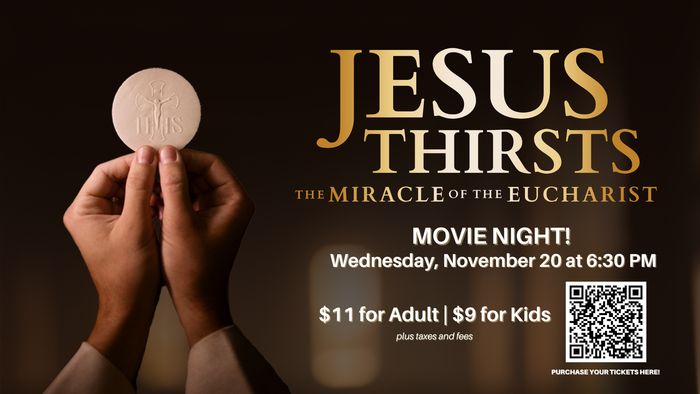
Join us at St. Francis of Assisi Catholic Parish in Hamilton on Wednesday, November 20 at 6:30 p.m. in the Parish Life Center to watch the screening of
Jesus Thirsts: The Miracle of the Eucharist
Watch the trailer below:
ALL SAINTS WAX MUSEUM HAS BEEN CANCELLED FOR THURSDAY, OCTOBER 31, FOLLOWING THE VIGIL MASS
Father Chad Ripperger composed this prayer and we ask you to please pray this prayer every day until the election, November 5.
CONSECRATION OF THE ELECTION TO THE BLESSED VIRGIN MARY Composed by: Fr. Chad Ripperger
Mary Immaculate, living tabernacle of the Divinity, where the eternal Wisdom lies hidden to be adored and served by angels and men, Queen of Heaven and Earth, beneath whose sway are subject all things that lower than God, Patroness of the United States of America, sorrowful and mind of our own sinfulness and the sins of our nation, we come to thee, our refuge and hope.
Knowing that our country cannot be saved by our own works, and mindful of how much our nation has departed from the ways of thy Son, we humbly ask that thou wouldst turn thine eyes upon our country to bring about its conversion. We consecrate to thee the integrity of the upcoming election and its outcome, so that what is spiritually and morally best for the citizens of our country may be accomplished, and that all of those who are elected would govern according to the spiritual and moral principles which will bring our nation into conformity with the teachings of thy Son.
Give grace to the citizens of this land so that they will choose leaders according to the Sacred Heart of thy Son, that His glory may be made manifest, lest we be given the leaders we deserve. Trusting in the providential care of God the Father and thy maternal care, we have perfect confidence that thou wilt take care of us and will not leave us forsaken. O Mary Immaculate, pray for us. Amen.

Marriage Troubles?
Marriage Troubles? Retrouvaille is NOT just for couples whose marriage is on the verge of divorce or considered irrevocably broken; it is for any couple who would like to rediscover their marriage and improve communication. Retrouvaille can help, as it has helped tens of thousands of others. Our next program begins October 18, 2024. For more information about an upcoming Retrouvaille Weekend program for couples, contact registration team: at 1-800-470-2230 or visit www.HelpOurMarriage.com Not counseling or group therapy. All contacts and names held in strictest confidence.
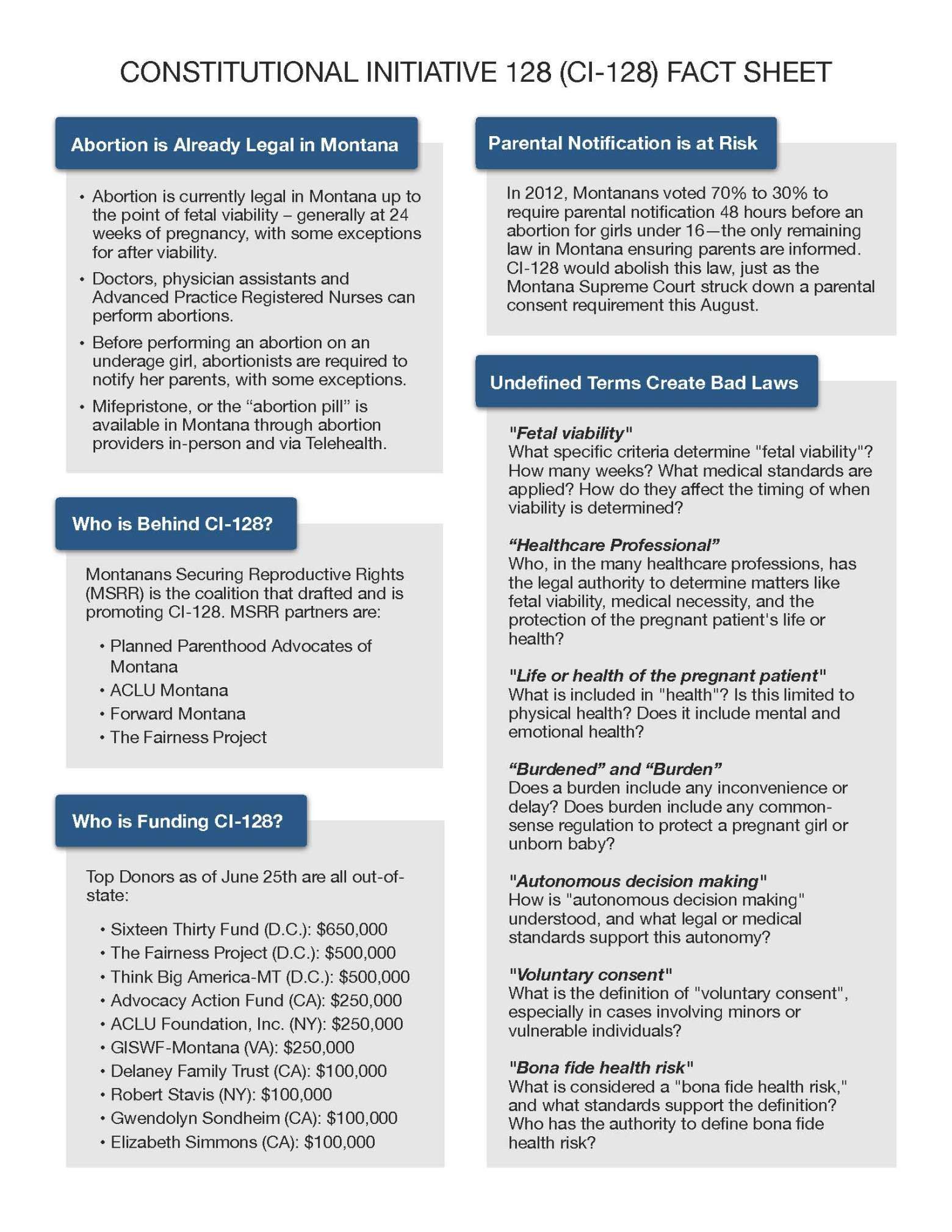
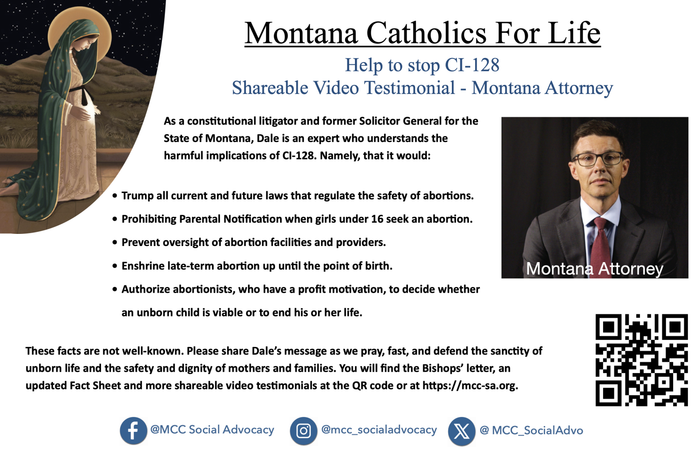
Decline to Sign
The Nine First Fridays Devotion to the Sacred Heart of Jesus
“I promise you, in the excessive mercy of my Heart that my all powerful love will grant to all those who receive Holy Communion on the first Friday for nine consecutive months, the grace of final repentance; they shall not die in my disgrace nor without receiving the sacraments; my divine Heart shall be their safe refuge in that last moment.” — Our Lord to St. Margaret Mary
Every First Friday of the month, Fr. David offers Mass at St. Mary in Stevensville at 9:30 am as an Act of Reparation to the Sacred Heart of Jesus. Join us in this important devotion.
Click here to learn more about the Promises of the Sacred Heart
SEEK
This year FOCUS has made it possible to share all of the talks from
SEEK24 at seekreplay.com
SEEK features renowned speakers such as Father Mike Schmitz, Sister Mary Grace SV, Matt Fradd, Emily Wilson, and many more. We highly recommend checking out some of the talks and experiencing God's love through these speakers! Here are some favorite talks from the conference:
Monsignor James Shea: The Weight of our Brokenness
Matt Fradd: God, the Universe and Everything in Between
Sister Mary Grace: Our Sin, the Starting Place of Grace
The Five First Saturday Devotions to the Immaculate Heart of Mary
“To whoever embraces this devotion, I promise salvation.”
Every First Saturday of the month, Fr. David offers Mass at St. Mary in Stevensville at 10:00 am as an Act of Reparation to the Immaculate Heart of Mary.
Click here to learn more about this devotion as requested by Our Lady of Fatima
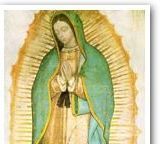
Nine Month Novena from Cardinal Burke to Our Lady of Guadalupe
Parking
Parishioners are asked to utilize the parking spaces on our church property.
Extra Handicap spots are behind the church for those in with physical challenges.

Keep in touch with us via email and text!
Stay up to date with mass times, ministry updates, and events, delivered to your phone or inbox.




We welcome you all to be part of our parish.
QUICK LINKS
OFFICE HOURS
Mon - Thurs: 10:00 am - 3:00 pm